

Foligno is one of the most important cities in Umbria as well as the third in population. Set in the Valle Umbra, crossed by the Topino River, it gives a predominantly mountainous territory while the capital is located entirely in the plains.
History and nature in this territory create a complementary relationship that will leave the visitor open-mouthed, discovering corners of the historic center and locations of not indifferent naturalistic interest.
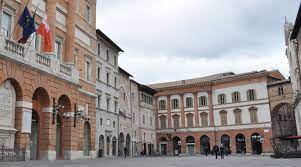
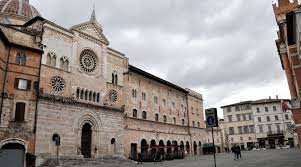
The historic center is characterized by Palazzo Trinci and the cathedral of San Feliciano, medieval monuments that house the Pinacoteca Civica, the Archaeological Museum, the Multimedia Museum of Tournaments, Jousts and Games and the Diocesan Museum.
 |
 |
Inside the SS. Trinità Church in Annunziata is De Domincis's work of contemporary art: the Cosmic Magnet. It was made in 1988 from fiberglass, iron and polystyrene. It was presented for the first time in France and has since then traveled around the world. Only in 2011 was it transferred to Foligno.It is a representation of a giant human skeleton, 24 meters long and 9 meters wide, with a large and mysterious beak instead of a nose. On the phalanx of the middle finger of the right hand holds a golden iron rod that is supposed to represent man's contact with the cosmos.
In the historic center of Foligno, inside the magnificent Palazzo Orfini, the Printing Museum offers evidence of papermaking. The museum testifies to Foligno's publishing importance from the 1400s onward, confirmed by the fact that on that famous April 11, 1472, Dante Alighieri printed the first copy of the Divine Comedy there. One of the most important works inside the Museum is precisely Dantesca, in fact there is an original page of the Comedy where Dante describes the Umbrian territory.
Among the things to see around Foligno cannot be missed:
-
-
-
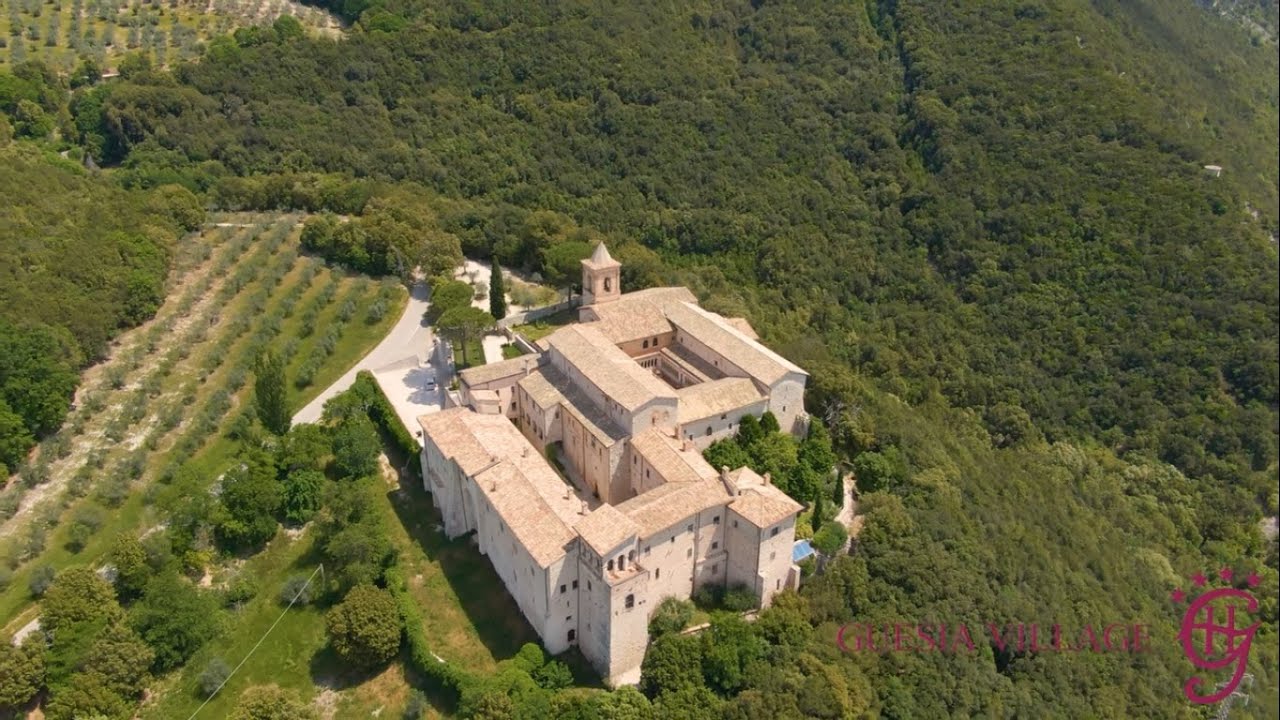
- Sassovivo Abbey: perched on a spur of rock that allows views of the city of Foligno and the Umbrian Valley and surrounded by 7 hectares of centuries-old holm oak forest among the oldest in Umbria, it is one of the region's most important jewels. The abbey was founded around the year 1000. Inside there is a beautiful cloister and a well from around 1600. Inside the refectory of the monastery is a fresco depicting the Last Supper, and in the Loggia del Paradiso are frescoes from the 1400s. The Chapel of the Blessed Dane can also be visited. Near the Abbey also there is a spring where the delicious and fresh Acqua di Sassovivo water is born.
-
-
.
-
-
- Nestled in the Sasso di Pale at a height of 525 meters above sea level, we find the hermitage of Santa Maria Giacobbe, which can be reached by a trekking route made mostly of steps. The route can start either from the village of Pale or from the Menotre Falls for the more athletic. The sanctuary, built in 1200, preserves splendid and mysterious frescoes, and outside there is a unique view of the Umbrian Valley. Guided tours can be booked at least 3 days in advance and it is recommended to bring trekking equipment.
-
-
-
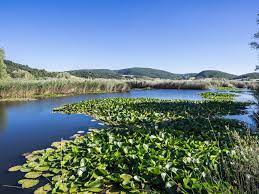
- Colfiorito Park, certainly one of the most unique natural parks in Umbria, consists of 338 hectares of boundless nature located on the Colfiorito plateau where you can admire the famous marsh, Mount Orve and the ancient historical remains of the ancient city of Plestia. The park is inhabited by many aquatic animals such as herons, bitterns, mallards but also eels, carp, and water snakes. It is also not difficult to spot foxes, weasels, and the cute hedgehogs. The park is famous throughout Italy especially for the cultivation of the famous red potatoes and lentils.
-
-
-
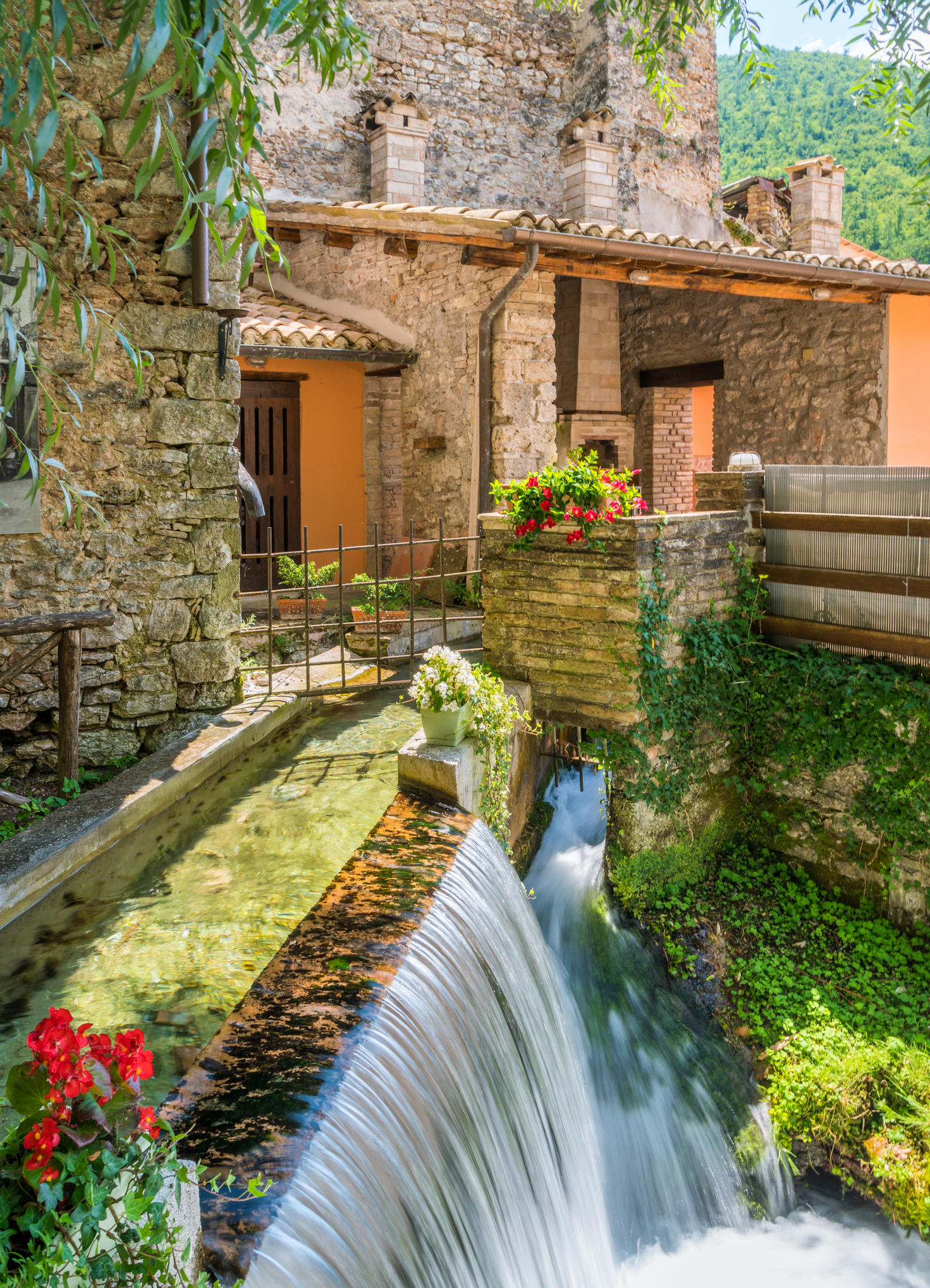
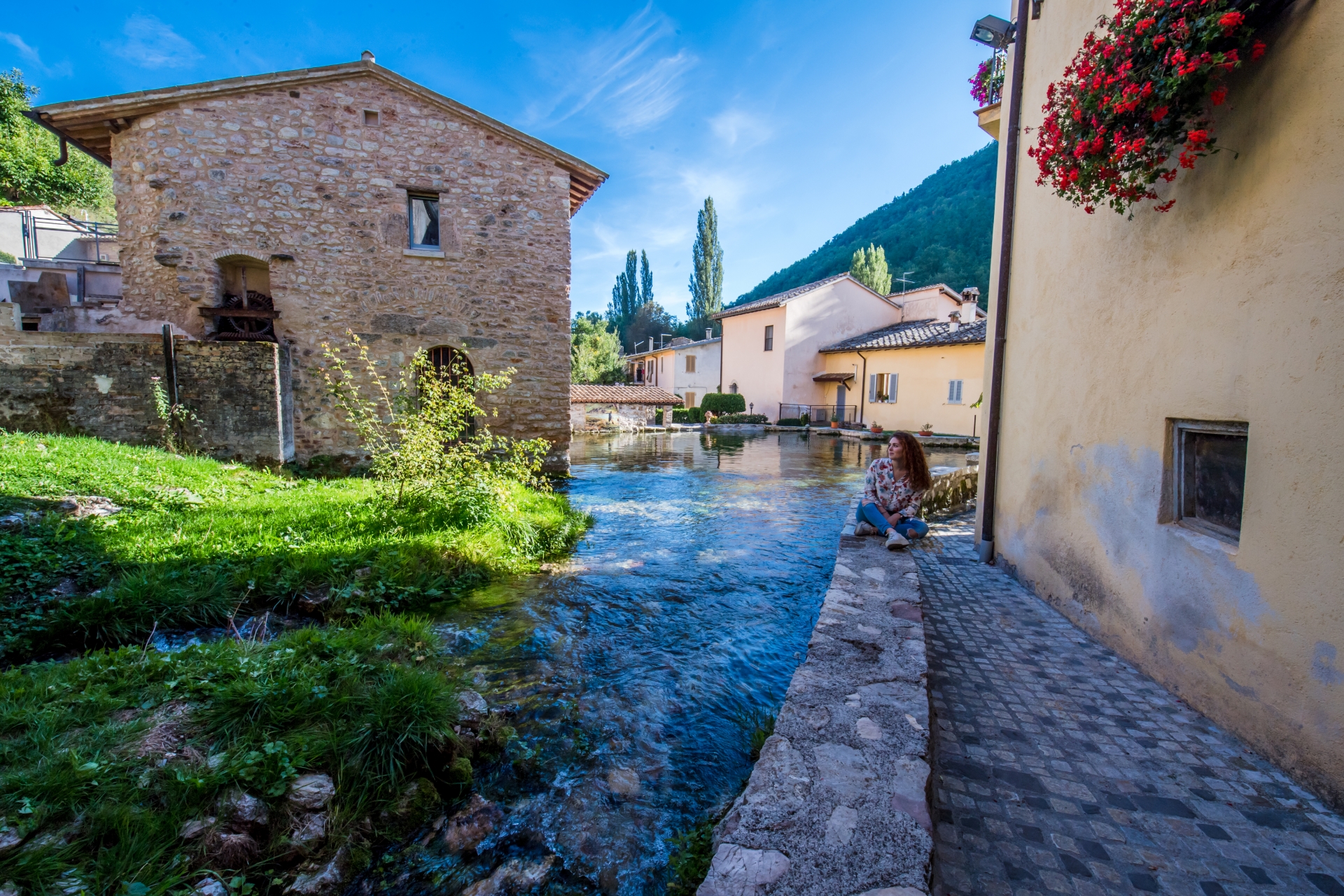
- Rasiglia Located in the mountains of Foligno at 648 m above sea level, it is known as the "village of streams" The village that still retains its medieval characteristics is designed by the interweaving of fantastic streams that spring from the 6 springs scattered around the village. Overlooked by the ruins of an ancient fortress owned by the Trinci family, Rasiglia gained strength from its waters with an economy based on textiles. In the small village, in fact, an ancient mill and old millstones for grain, obviously water-powered, are clearly visible. The weave of canals and small waterfalls forms mirrors of crystal clear water where Rasiglia's own beauty is mirrored. In addition, every year there are events of cultural and folkloric interest such as "Penelope in Rasiglia" where the crafts of the past are shown and the famous Christmas Crib.
-
 |
 |
For more information of what to visit visit: https://www.umbriatourism.it/it/foligno